
How Gymbus Encourages Social Skills Through Play at Birthday Parties
Children are often glued to screens and digital devices, the importance of developing strong social skills cannot be overstated. Social skills are essential for building relationships, understanding emotions, and navigating the world around us. For children, these skills are best learned through play—especially in group settings where interaction with peers is natural and encouraged. One place where this kind of play is not only possible but also celebrated is Gymbus, a unique mobile play center that turns birthday parties into opportunities for learning and fun.
The Importance of Social Skills in Early Childhood
Before diving into how Gymbus fosters social skills, it’s essential to understand why these skills are so critical in early childhood. Social skills encompass a wide range of behaviors, including communication, cooperation, empathy, and conflict resolution. Children who develop strong social skills early on are better equipped to succeed in school, form healthy relationships, and handle the challenges of life.
Play is a powerful tool in developing these skills because it allows children to experiment with social roles, express themselves, and learn from their interactions with others. Whether they’re working together to achieve a common goal or negotiating rules in a game, children are constantly learning how to navigate social situations during play.
Gymbus: A Unique Environment for Social Development
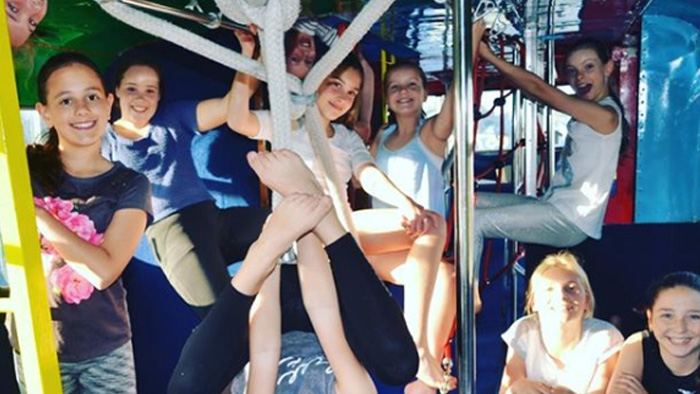
Gymbus offers a one-of-a-kind environment where children can engage in active, imaginative play. As a mobile play center, Gymbus brings the fun directly to you, transforming any location into a vibrant playground. The bus is equipped with various play equipment, including slides, tunnels, climbing structures, and more. But what truly sets Gymbus apart is its focus on creating an interactive and inclusive atmosphere that encourages children to play together.
At a Gymbus birthday party, children are not just running around and burning off energy—they are participating in structured activities designed to promote social interaction. The environment is safe, supervised, and full of opportunities for children to engage with their peers in meaningful ways.
Encouraging Cooperation and Teamwork
One of the most important social skills children learn at Gymbus is cooperation. Many of the activities on the bus require children to work together to achieve a common goal. For example, they might need to help each other climb through a tunnel or work as a team to navigate an obstacle course. These activities teach children the value of teamwork and how to communicate effectively with others.
During these cooperative play sessions, children learn to listen to each other, share ideas, and provide support. They discover that working together is often more fun and rewarding than going it alone. This cooperative spirit is a crucial social skill that will benefit them throughout their lives.
Building Communication Skills
Communication is at the heart of social interaction, and Gymbus provides plenty of opportunities for children to practice this skill. Whether they’re discussing the rules of a game, asking for help, or simply chatting with a new friend, children at Gymbus are constantly communicating.
The structured activities on the bus often require verbal interaction, which helps children develop their language skills and learn how to express themselves clearly. Additionally, because Gymbus hosts children of various ages, younger kids often have the chance to learn from older ones, picking up new words and phrases and observing how more experienced communicators interact.
Promoting Empathy and Understanding
Empathy is another crucial social skill that children can develop through play. At Gymbus, the inclusive and supportive environment encourages children to be aware of the feelings and needs of others. For example, during group activities, children may need to take turns, wait patiently, or help a friend who is struggling with a task. These experiences help children learn to put themselves in others’ shoes and understand different perspectives.
The shared experience of play also fosters a sense of camaraderie and belonging among the children. They learn that everyone is different, but everyone deserves kindness and respect. These lessons in empathy are invaluable and help children build strong, healthy relationships as they grow.
Navigating Conflict and Problem-Solving
Conflict is a natural part of social interaction, and learning how to navigate it is an essential social skill. At Gymbus, conflicts may arise during play—whether it’s a disagreement over the rules of a game or a clash of personalities. These situations provide valuable opportunities for children to learn how to resolve conflicts peacefully.
With the guidance of the Gymbus staff, children are encouraged to talk through their disagreements, listen to each other’s perspectives, and find a solution that works for everyone. This process helps them develop critical problem-solving skills and teaches them that conflicts can be resolved without anger or aggression.
Encouraging Independence and Confidence
While cooperation and teamwork are essential, it’s also important for children to develop a sense of independence and confidence. Gymbus activities are designed to challenge children physically and mentally, encouraging them to take risks, try new things, and push their limits.
As children successfully navigate the various challenges on the bus—whether it’s climbing a difficult structure or figuring out how to get through a tricky tunnel—they gain confidence in their abilities. This newfound confidence often translates into greater social ease, as children who feel good about themselves are more likely to engage with others and participate in group activities.
The Role of Gymbus Staff in Social Development
The staff at Gymbus play a crucial role in encouraging social development during birthday parties. They are not only responsible for ensuring the safety of all participants but also for facilitating positive social interactions. The staff members are trained to recognize when a child may need help joining in or when a group might benefit from some gentle guidance to work together more effectively.
By creating an environment where all children feel included and valued, the Gymbus staff help children develop a positive attitude toward social interaction. They encourage shy children to participate, help resolve conflicts, and praise cooperative behavior, reinforcing the importance of social skills.
Conclusion
Gymbus is more than just a fun birthday venue—it’s a place where children can develop crucial social skills through play. By encouraging cooperation, communication, empathy, conflict resolution, and independence, Gymbus helps children build the social foundations they need to succeed in life. Every birthday party at Gymbus is not only a celebration but also an opportunity for children to learn, grow, and connect with others in meaningful ways. As they play, laugh, and interact, they are laying the groundwork for strong social skills that will serve them well throughout their lives.